Daily energy
Estimate how many kilowatt-hours the property may use on an ordinary day and how that changes by season.

Off-grid solar
Plan solar, storage and backup around the loads your home or rural site must support — through ordinary days and difficult weather.
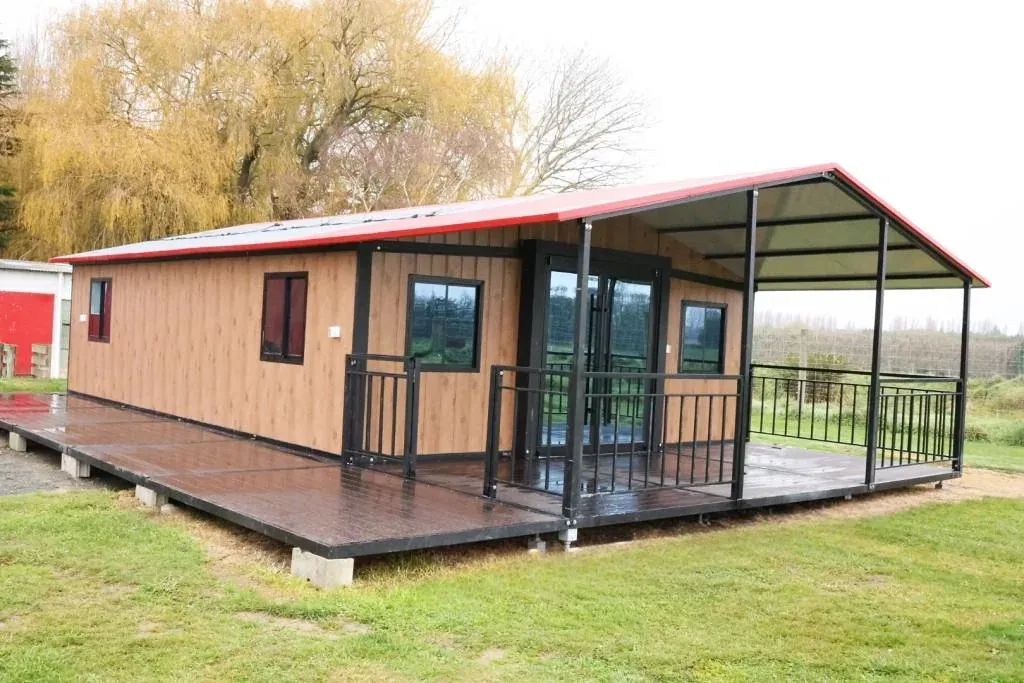
Dwelling photograph: Portable Dwellings · shown for context, not as a Cell-X Solar project
Package prices are in NZD incl. GST and include the equipment and standard installation by Cell-X Solar’s registered electricians in Canterbury. Any site-specific extras are confirmed in your quote. Outside Canterbury, ask us for a quote.
Size from demand
Without the grid as an automatic fallback, the system must balance energy use, peak demand, seasonal generation, battery reserve and a practical response to prolonged poor weather.
Six essential inputs
Each input affects the others. Changing one major appliance can change the array, inverter, battery and backup conversation.
Estimate how many kilowatt-hours the property may use on an ordinary day and how that changes by season.
Identify the appliances and pumps that may run together so the inverter can be assessed against real loads.
Review location, roof or ground area, orientation, shading and seasonal sunlight before setting an array size.
Plan battery capacity around overnight use, reserve level, weather variability and the desired operating margin.
Decide whether a generator or another backup source should be part of the design for prolonged low-solar periods.
Allow for water systems, electric cooking, heating, workshop equipment, EV charging or higher occupancy where relevant.
A resilient energy plan
The final equipment list should make the operating strategy easy to understand.
Sized from load data, location and seasonal solar access.
Assessed against peak demand, charging and system architecture.
Planned around overnight use, reserve and low-solar conditions.
Considered for prolonged poor weather or exceptional demand.
Conceptual planning diagram only. The actual equipment, controls, connections and supported loads require technical review and confirmation.
Portable living contexts
These dwelling types show the kinds of rural and lifestyle settings where an off-grid conversation may begin.
A larger dwelling may need a detailed appliance schedule, seasonal usage estimate and carefully defined backup strategy.
Plan for this context →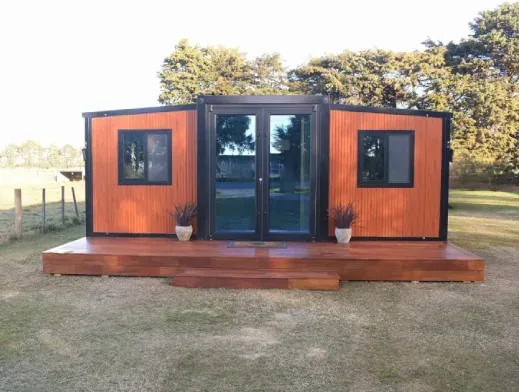
A compact footprint can simplify the load profile, but hot water, cooking and heating can still dominate energy demand.
Plan for this context →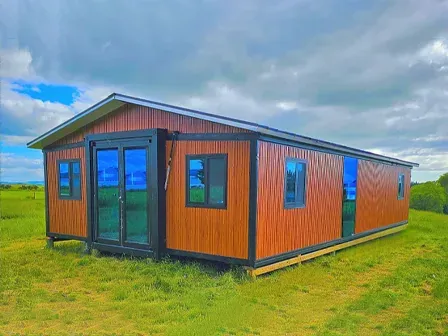
Occasional use may create a different balance between battery reserve, convenience, maintenance and backup planning.
Plan for this context →Dwelling photographs: Portable Dwellings. They show dwelling types only and are not Cell-X Solar installations.
Build the appliance list
Start by recording appliance ratings, hours of use and which items may operate at the same time. Then decide what can be shifted, managed or supported by another energy source.
Share my off-grid loads →A careful process
Share the location, dwelling, occupancy, solar access and any site constraints.
List daily energy, major appliances, peak combinations and seasonal changes.
Choose the desired reserve, load-management approach and backup strategy.
Confirm assumptions, the equipment, limitations, installation scope and price before you decide.
Your site and your loads
Share the site, dwelling and major energy needs so Cell-X Solar can prepare an informed starting point to discuss.
Off-grid answers
Sizing begins with an appliance and usage schedule, including daily energy, peak loads and seasonal changes. Location, solar access, battery reserve, inverter limits and the backup strategy then shape the equipment list. A household-count shortcut is not enough.
Ask about my site →It may be technically possible for some sites, but the system must account for extended low-solar periods, seasonal demand and the owner’s tolerance for load management. A backup generator or another source may still be appropriate and should be discussed honestly.
Ask about my site →High-power or long-duration loads — such as electric water heating, resistance heating, cooking, pumps, workshop tools and EV charging — can materially affect array, inverter and battery requirements. The exact impact depends on ratings and usage timing.
Ask about my site →In Canterbury, Cell-X Solar’s registered electricians install, connect and certify the system. Off-grid systems are quoted individually because every load profile is different. Outside Canterbury, ask us about options for your area.
Ask about my site →Yes, a portable dwelling can be assessed, but the site, the dwelling’s electrical layout, occupancy, major appliances and where equipment will be mounted all need review. The dwelling photographs on this page illustrate dwelling types; they are not Cell-X Solar project photographs.
Ask about my site →Your next step
A strong off-grid plan begins with real site and appliance information.
Request my off-grid plan →